The project KaziPlay: Healthy Schools for Healthy Communities has been officially recognized as a Good Practice and included in the UNESCO SDG 4 Knowledge Hub. This distinction highlights the project’s innovative contribution to quality education, health promotion, and sustainable community development.
The KaziBantu research team is proud to announce that the project KaziPlay: Healthy Schools for Healthy Communities has been officially included in the UNESCO SDG 4 Knowledge Hub as a recognized Good Practice. The inclusion follows UNESCO’s rigorous quality assurance process and represents an important international acknowledgment of the project’s contribution to advancing Sustainable Development Goal 4 (SDG 4): ensuring inclusive and equitable quality education and promoting lifelong learning opportunities for all.
UNESCO uses Good Practice Models in education to identify and share successful teaching methods, programmes, and policies. These models document approaches that have proven effective and provide practical examples that schools, educational institutions, and governments can adapt to their own contexts. By promoting the exchange of tested strategies and lessons learned, they support educational improvement and encourage innovation in teaching and learning worldwide.
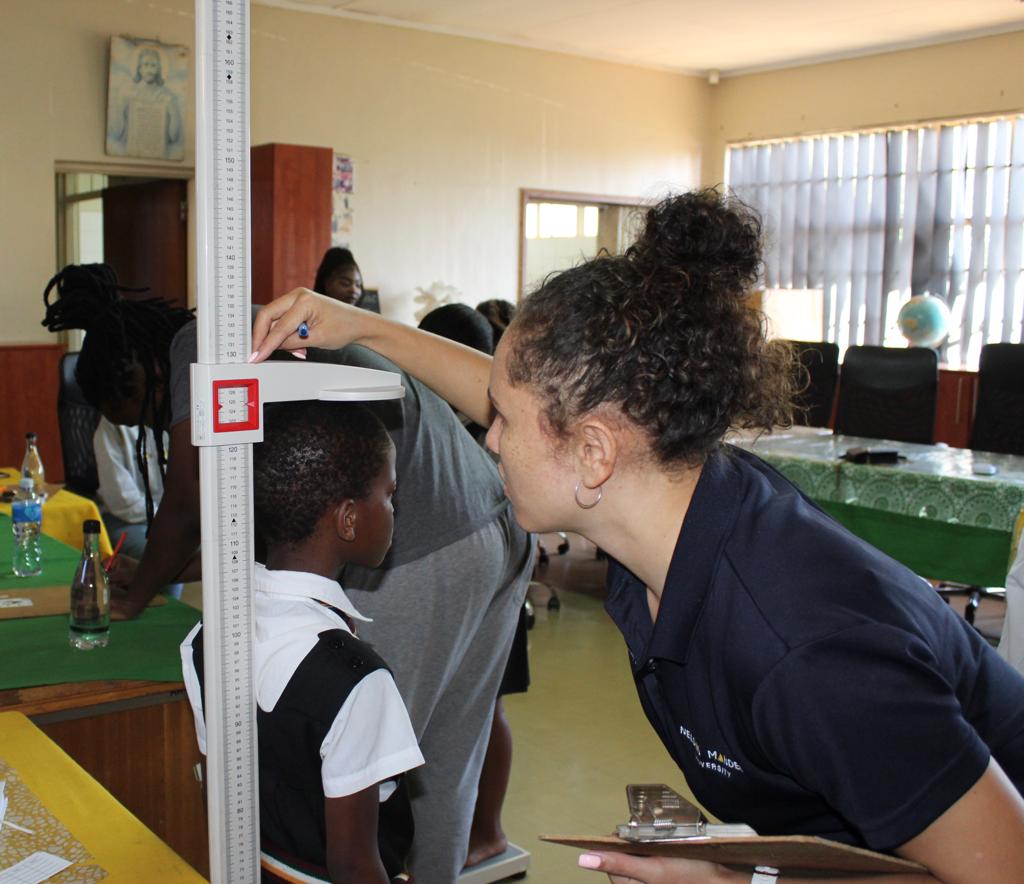
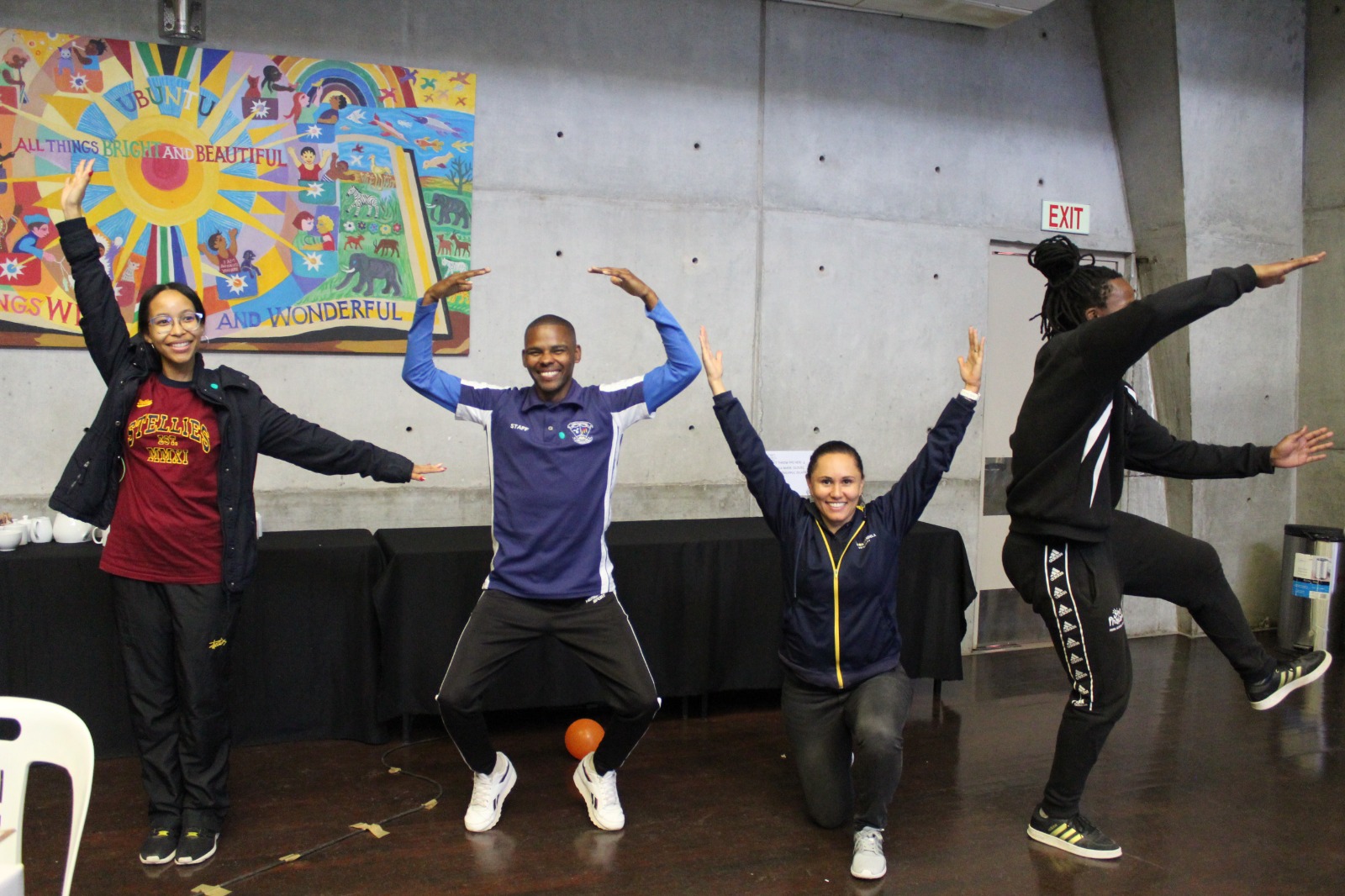
KaziPlay was developed to demonstrate how under-resourced schools in South Africa can serve as catalysts for healthier and more resilient communities. By integrating education, health promotion, and community engagement, the initiative offers an innovative and scalable approach to addressing local and global challenges. This recognition by UNESCO confirms the relevance of the project’s holistic model and supports the global exchange of effective educational practices that contribute to both educational quality and public health.
Building on this achievement, the KaziBantu team is currently exploring opportunities to transfer selected lessons learned and key elements of KaziPlay to other regions. Any future implementation will be carefully adapted to local contexts, cultural conditions, and community needs to ensure sustainable impact.
Together, we remain committed to strengthening education as a foundation for healthier schools, empowered communities, and a more sustainable future. We would like to express our sincere gratitude to Mona Eléonore Zguir and the colleagues at UNESCO Headquarters for their trust, support, and valued collaboration.
The KaziBantu research team is available to answer any further questions.
Related Links
- UNESCO: Learn More About UNESCO
- UNESCO SDG 4 Knowledge Hub: Visit the SDG 4 Knowledge Hub
- UNESCO SDG 4 Knowledge Hub: Visit KaziPlay in the SDG 4 Knowledge Hub